Recycling and Sustainability — Garden Maintenance Victoria
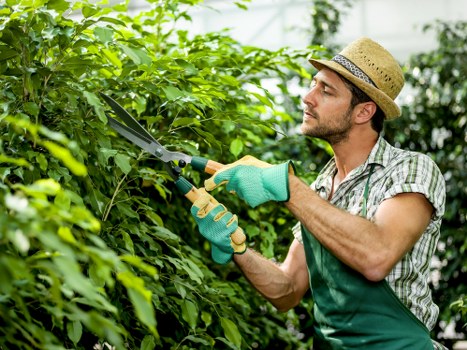 At Garden Maintenance Victoria we prioritise an eco-friendly waste disposal area across all our services. Our Victoria garden maintenance teams work with local boroughs and community hubs to sort green waste, food scraps and recyclables at source so fewer materials go to landfill. Through a practical, site-by-site approach we create a sustainable rubbish gardening area that reduces haulage, improves compost yields and keeps soils healthy.
Our garden maintenance Victoria crew sets a clear recycling percentage target for every job: a company-wide aim of 75% diversion from landfill by 2030. That target covers garden organics, timber reuse, hard landscaping salvage and diverted soil and mulch. Reaching this target means improving on-site separation, mapping material flows, and recording loads to local transfer stations in order to measure outcomes.
 Victoria garden maintenance operations also recognise the different waste separation systems used across boroughs: some councils operate three-stream kerbside collections (organics, commingled recyclables and general waste), while others offer an additional glass or food-waste stream. Our teams adapt to each local scheme and use clear labelling and portable separation stations to ensure materials are routed correctly.
To support an effective eco-friendly waste disposal area we partner with a network of local transfer stations and community sorting hubs. These transfer stations accept mixed green waste, clean soil, bricks, concrete and recyclable building materials from landscaping works so we can keep usable materials in the circular economy. We prioritise transfer stations that process organics for composting or anaerobic digestion over ones that only aggregate landfill-bound loads.
 Our sustainable garden maintenance Victoria strategy includes formal partnerships with charities and redistribution partners. Salvaged timber, bricks, pavers and edging from site clearances are offered to local charities, community gardens and not-for-profits. We work with furniture reuse organisations, local tool libraries and community landscaping projects to extend the life of materials that would otherwise be discarded.
Key elements of our low-impact approach include:
- On-site separation stations to split organics, inert wastes and recyclables.
- Pre-inspection to identify reusable materials and reduce unnecessary removals.
- Selective transport to nominated transfer stations and redistribution partners to avoid mixed-waste tipping.
- Measured reporting of diversion rates so progress against the recycling percentage target is transparent.
We also invest in a low-carbon vehicle fleet to support a sustainable rubbish gardening area that minimizes emissions. Garden Maintenance Victoria operates a mix of electric vans, plug-in hybrids and efficient diesel hybrids where fully electric ranges remain impractical. These low-carbon vans are routed to reduce empty runs, and drivers are trained in eco-driving techniques to shrink fuel consumption and emissions further.
 In addition to vehicle choices, our logistics focus on creating localised service zones so materials are taken to the nearest suitable transfer station. That reduces truck mileage and ensures garden organics are processed close to source — often returning as compost or mulch to the same neighbourhood, closing the loop for gardeners and landscapers.
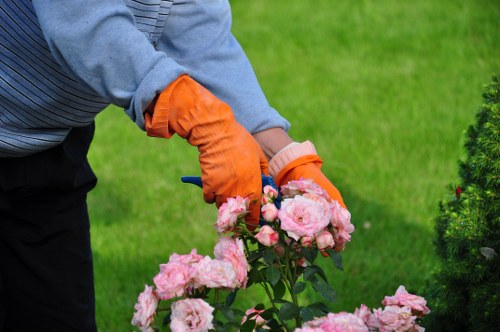 Sustainability in garden care also means educating clients about waste separation at home and in communal blocks. We provide clear labels and advice for communal bins and recommend configurations that match borough collection systems. By aligning our Victoria garden maintenance practices with council streams — for example, placing food waste in organics and cardboard with commingled recycling — we make it easy for households to support our diversion goals.
Partnerships and community benefit
Our partnerships extend beyond charities to include local composting facilities, mulch producers and social enterprises that train people in green skills. These collaborations create measurable benefits: diverted tonnes become soil conditioners, usable stonework becomes affordable landscaping materials for community projects, and timber is repurposed into planters and raised beds.
Monitoring, reporting and continuous improvement
Garden Maintenance Victoria tracks key performance indicators such as percentage of material diverted, vehicle emissions per job and volumes processed at partner transfer stations. We publish internal reports on progress toward the 75% recycling target and continuously refine our approach — from better on-site signage to more precise load sorting — to reach that goal. Our commitment to a low-carbon fleet and strong local partnerships makes our sustainable garden maintenance model practical and scalable across Victoria.
In short, whether you’re managing a small backyard, a communal courtyard or a large estate, our gardening maintenance in Victoria offers an integrated approach to an eco-friendly waste disposal area and a sustainable rubbish gardening area. We combine clear diversion targets, local transfer station networks, charity partnerships and low-emission vehicles to turn garden waste into resources and reduce the environmental footprint of every job.
Garden Maintenance Victoria remains committed to reducing waste, supporting community reuse and driving down carbon from garden logistics — one sustainable garden at a time.